



A new study proposes how to integrate Nature‑Based Solutions into fire, biodiversity, energy, and rural development policies.
The work organizes strategies such as integrated fire management, green firebreaks, and adaptive forestry.
In a context marked by historic seasons of megafires in Europe and other regions of the world, a new study published in iScience presents the first complete roadmap for applying Nature‑Based Solutions (NbS) to the prevention and management of extreme wildfires. The study fills a surprising gap: until now, there was no clear conceptual framework linking NbS—central tools in climate and ecological restoration policies—to fire management, despite their enormous potential.
The study addresses highly relevant debates, such as the shift from decades of fire suppression toward integrated fire management, the role of NbS in climate change adaptation, and the urgent need to create more resilient landscapes. Its conclusions align directly with ongoing discussions in Europe, including the implementation of the Nature Restoration Law and climate adaptation strategies.
The authors develop a conceptual framework and an operational roadmap to identify and implement NbS capable of reducing the risk of extreme wildfires and strengthening territorial resilience. Among the strategies analyzed are integrated fire management, close‑to‑nature forestry, green firebreaks, and the sustainable use of biomass. The study also identifies barriers that hinder adoption: social perceptions that view fire only as a threat, loss of traditional knowledge, institutional fragmentation, and lack of stable funding.
The main contribution of the work is connecting, for the first time, the official IUCN NbS framework with the management of extreme wildfire risk. “The study reminds us that not all interventions can be considered NbS and that they must meet the strict criteria established by the IUCN—social benefits, good governance, contribution to biodiversity, effectiveness, and adaptability—to be recognized as such,” explains Regos, the article’s author. To support this, the study proposes criteria, attributes, and an action plan to identify “fire‑smart” NbS, as well as a governance model that enables realistic and scalable implementation. This contribution is especially relevant because, although NbS have been widely applied in restoration and climate mitigation, their role in wildfire management had not been clearly defined.
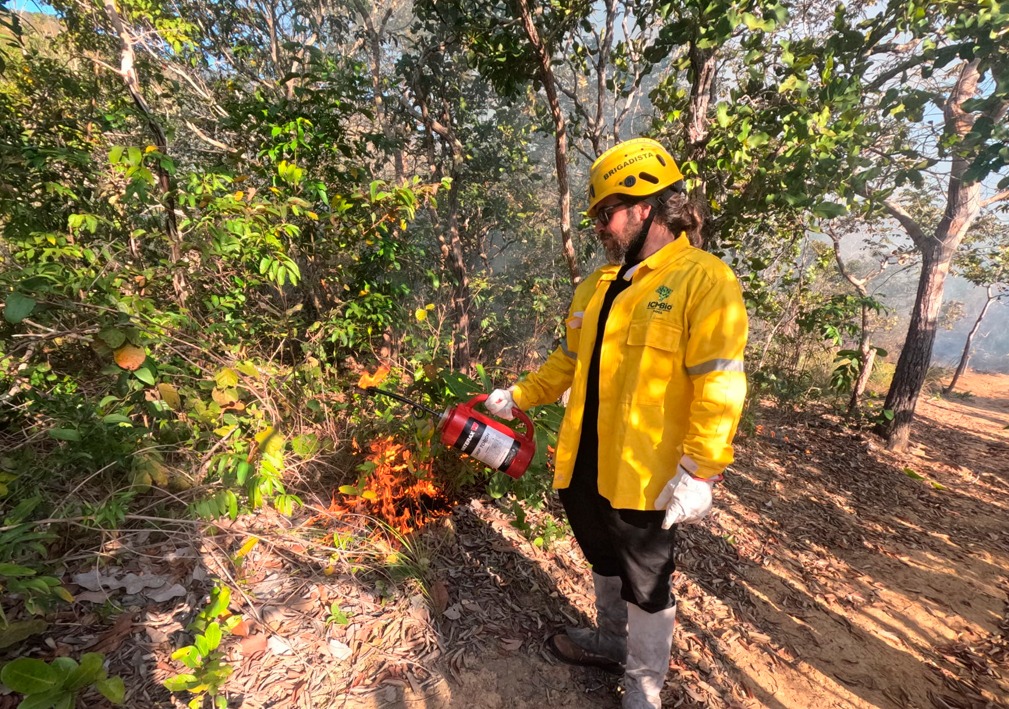
The study emphasizes that NbS can be decisive tools if they are properly designed and integrated into fire, energy, biodiversity, and rural development policies. It also highlights that the barriers are not only ecological: social, economic, and institutional factors are equally important. For this reason, a “fire‑smart NbS” approach requires inclusive governance, financial innovation, local participation, and long‑term vision.
Among the next steps are pilot projects in high‑risk regions, cost‑benefit assessments, and new models of participatory governance. In a scenario of increasingly extreme wildfires, this roadmap arrives at a crucial moment to guide policies and decisions affecting the territory.
Read the article: Regos A (2026). A Roadmap for Nature-Based Solutions to Extreme Wildfires. iScience, 29(1):114364. DOI: 10.1016/j.isci.2025.114364
Podcast author:
Last modified: 16 February 2026