


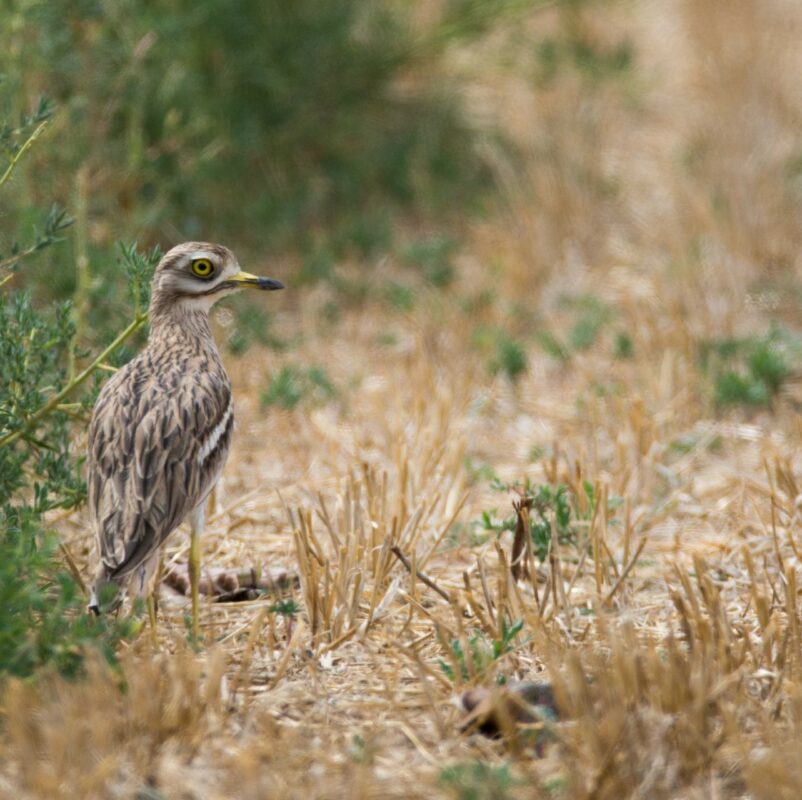
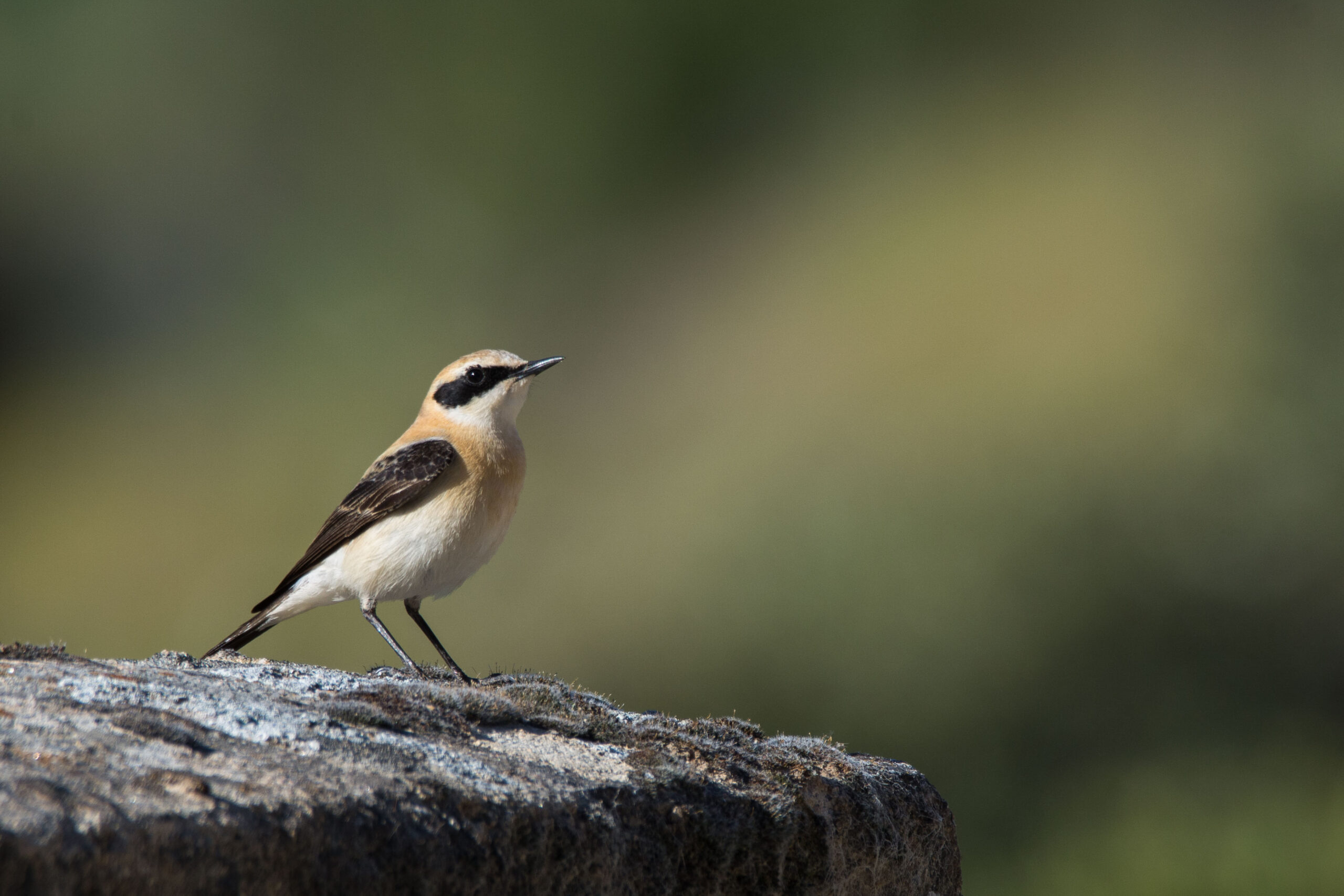
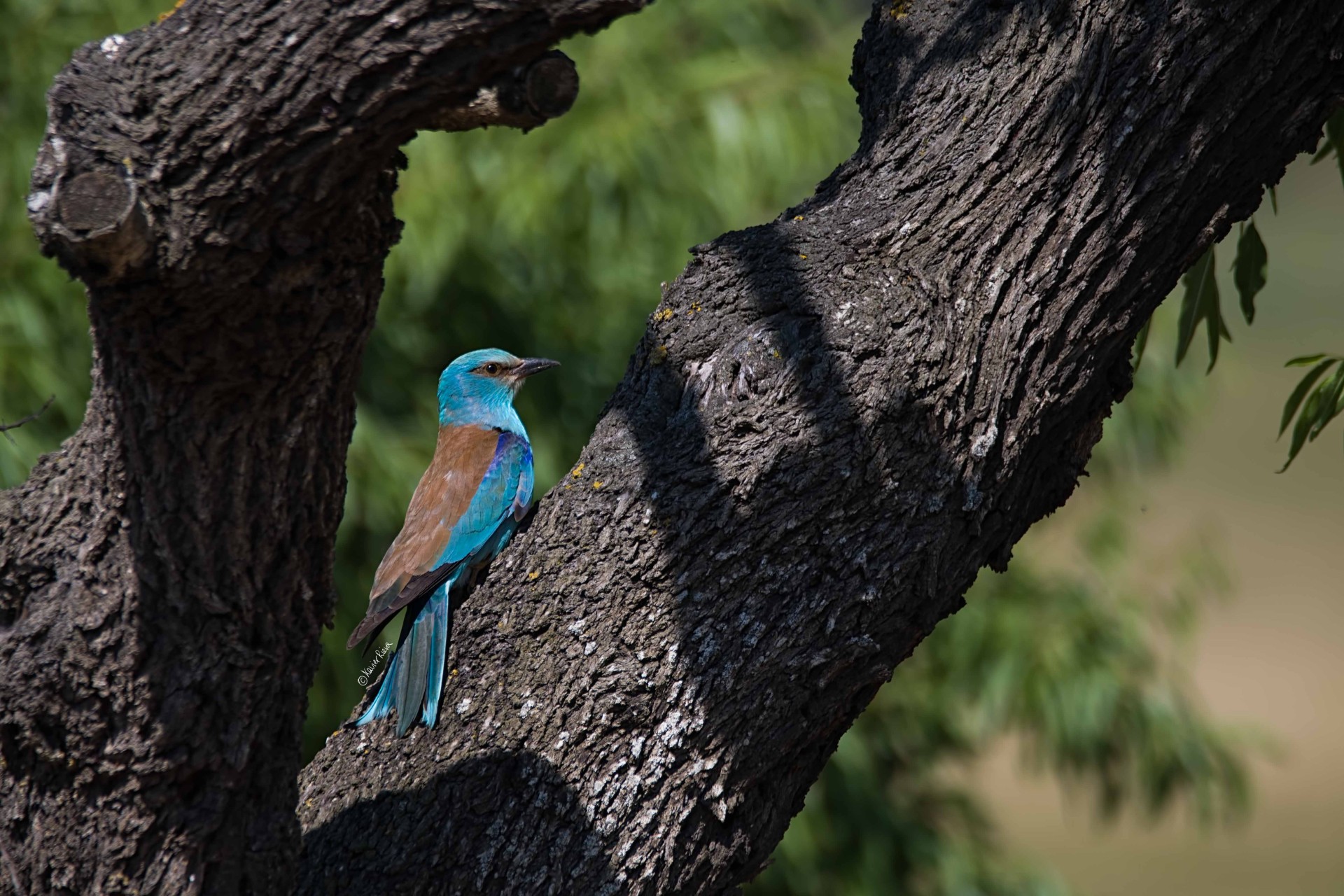
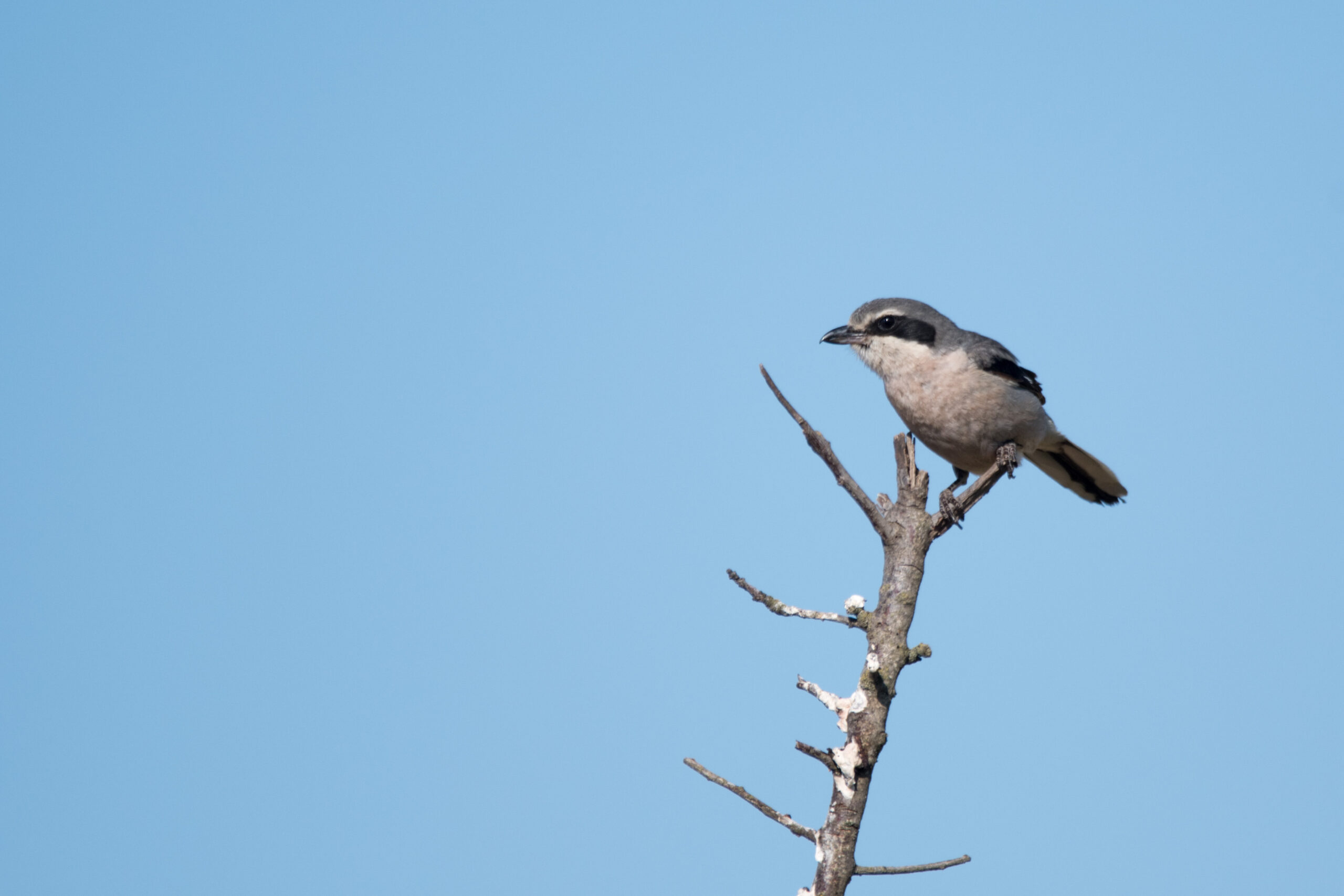
Crops, pastures and other open spaces are habitats that host emblematic bird species. New research by the European Bird Census Council, published in Conservation Biology and led by CREAF, the Catalan Institute of Ornithology (ICO) and the Forest Science and Technology Centre of Catalonia (CTFC), has analysed 43 bird species linked to these agricultural landscapes in all European countries and warns that 77% have reduced their presence in the last decade, a figure that is also related to the decline in their population. This can have serious consequences, because, among other things, these birds can contribute to the natural control of pests and insects, disperse seeds and, in general, act as indicators of the health of ecosystems. Among the most affected regions are the Iberian Peninsula, France and Italy, as well as several countries in central Europe such as Poland or the Czech Republic. To do this, the team has developed a new tool capable of generating bird distribution maps that can be updated very frequently, with the aim of guiding conservation and restoration policies.
The study has been the result of extraordinary collaborative work between different components of the scientific community, from field ornithologists to modelers, and with the participation of all ornithological organizations that monitor birds in European countries.
To create the maps, bird tracking data collected through the PECBMS ( Pan-European Common Bird Monitoring Scheme ) have been used. “As a result, they have a very high resolution on a European scale, of 10×10 km. This is like having a magnifying glass, because we can see how bird populations change on a very local scale,” highlights Pocull. Specifically, the research has analyzed changes between two five-year periods, 2013–2017 and 2018–2022.
Another case is the wood turtledove ( Streptopelia turtur ), which as this work shows had lost its presence between 2013 and 2022, but thanks to a moratorium on further hunting ruled by the European Union, it is known that it has experienced a recent improvement and today it can be hunted again, “with the methodology we have developed, we will be able to monitor its short-term evolution on a local scale , and alert if it decreases again and where”, explains Pocull.
The study also involved CREAF and CSIC researchers Lluís Brotons, and Sara Fraixedas, a CREAF and ICO researcher. In addition, dozens of scientific institutions, monitoring entities and ornithological organizations from all over Europe participated, mainly coordinated by the European Bird Census Council (EBCC) through the PECBMS project. “We hope that these maps can contribute to the management, conservation and restoration of bird populations in Europe,” concludes Herrando.
Reference article: Herrando, S., Pocull, G., Fraixedas, S., Gamero, A., Martí, D., Solà, O., Villero, D., Keller, V., Voríšek, P., Klvanová, A., Gargallo, G., Ajder, V., Anton, M., Aunins, A., Balmer, D., Brambilla, M., Chodkiewicz, T., Chylarecki, P., Domșa, C.,… Brotons, L. (2026). Providing regular and frequent maps of losses and gains of farmland birds based on European monitoring data. Conservation Biology . https://doi.org/10.1111/cobi.70268
Last modified: 24 April 2026