


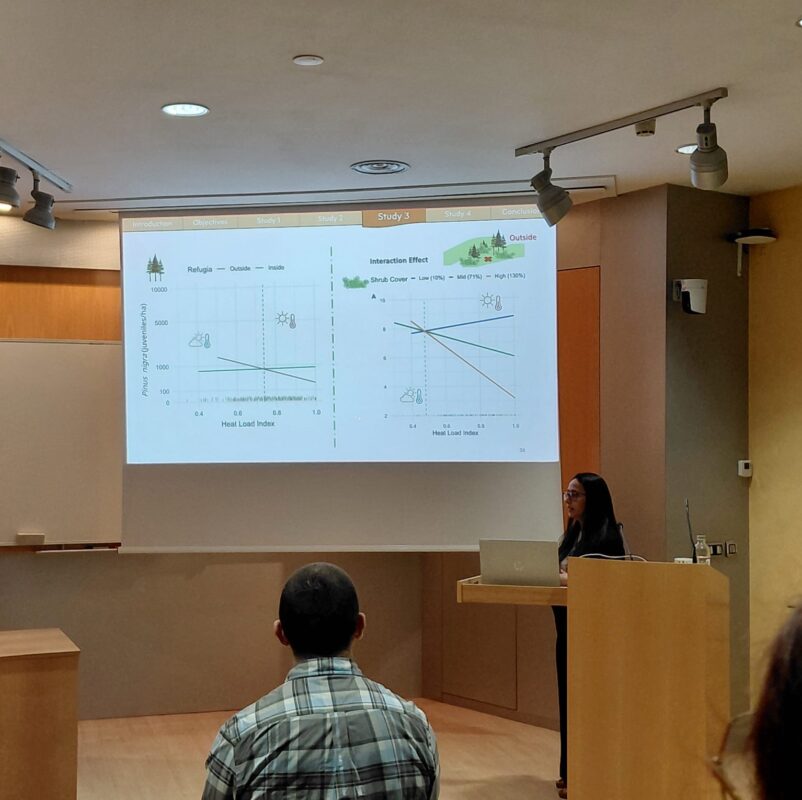
The thesis has analyzed the different limitations affecting the post-fire regeneration of Aleppo pine and Black pine.
The results obtained may have important implications for long-term forest planning and management, both in the current and future context.
Ana Lucía Méndez-Cartín defended her doctoral thesis on modelling post-fire regeneration of Mediterranean pine forests. Supervised by Aitor Ameztegui and Lluís Coll, researchers at the University of Lleida affiliated with the CTFC, Méndez-Cartín analyzed the limitations affecting post-fire regeneration of Aleppo pine (Pinus halepensis) and Black pine (Pinus nigra subsp. salzmannii). She also assessed how climate change may influence the dynamics and future vulnerability of these species.
Extreme changes in temperature and precipitation are expected in Mediterranean Spain because of climate change, with important implications for current and future forest dynamics. Increasingly severe climatic conditions combined with land-use changes – that promote forest continuity and stand connectivity – have shaped historical wildfire regimes and are now challenging the recovery capacity of forest ecosystems.
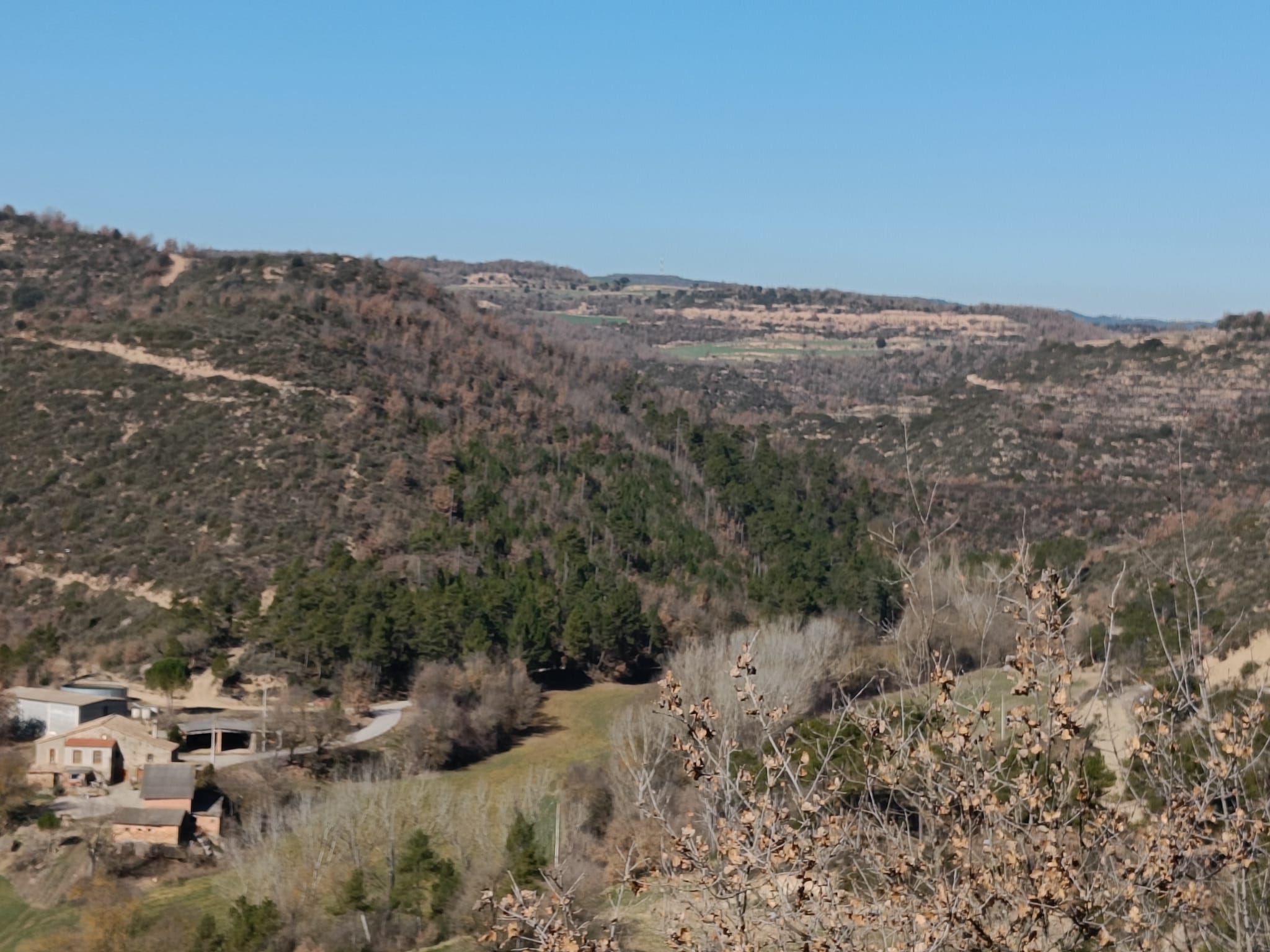
Species response to these changes will vary according to their specific functional traits, causing different constraints to post-fire regeneration. Accordingly, this thesis aims to identify the main limitations affecting post-fire regeneration of Pinus halepensis and Pinus nigra subsp. salzmannii and determine how climate change may influence their future dynamics and vulnerability.
The thesis combines the results of three field-observational studies, and a simulation experiment. The results of this thesis provided new insights into the main factors constraining P. halepensis and P. nigra post-fire regeneration, as well as the future challenges that young stands of these species may face. Post-fire interactions (e.g., competition and facilitation) among regenerating saplings were shown to vary along aridity gradients. We evidenced shifts in modes of competition between mesic and xeric sites, as well as transitions between facilitative to competitive interactions with increasing aridity levels.
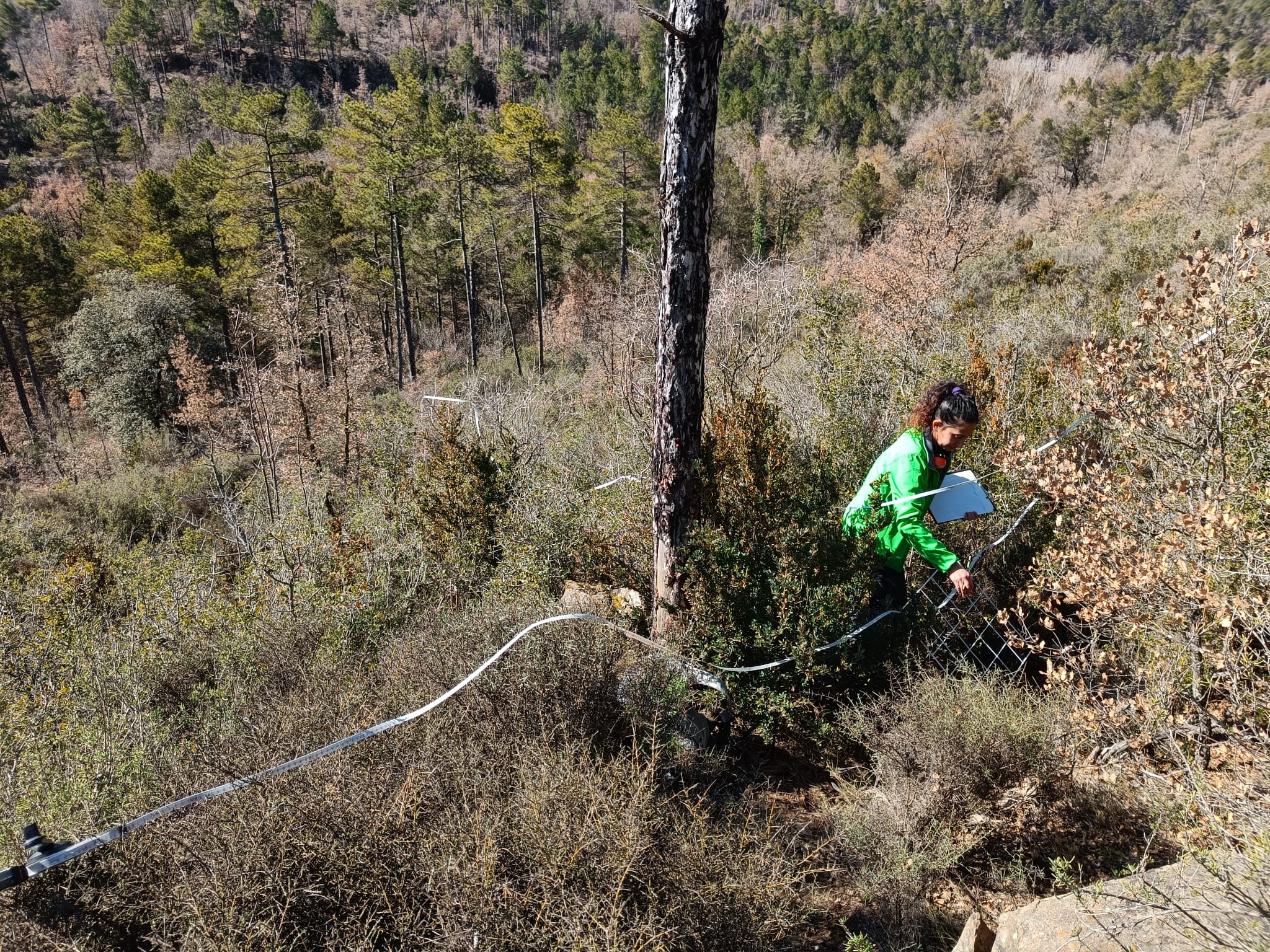
At the landscape scale, the spatial arrangement of post-fire surviving trees influenced both the establishment probability and abundance of P. nigra’s seedlings and saplings. Furthermore, future predictions suggest that climate-related threats will have strong regional effects, differentially affecting forest dynamics depending on stand position within the species’ distribution range.
Finally, this thesis demonstrates that the interaction between large-scale climatic drivers and microsite conditions is key in explaining post-disturbance juvenile forest dynamics. These findings have important implications for current and future long-term forest management planning.
Last modified: 18 May 2026