


A study led by CTFC with the participation of more than 60 experts concludes that the lack of an operational consensus on what it means to restore a forest could complicate the implementation of the future National Restoration Plan and the new European Nature Restoration Regulation.
What exactly does it mean to “restore” a forest? Despite the momentum that ecological restoration is gaining across Europe and around the world, new research shows that this question remains open even among the specialists responsible for designing and implementing forest restoration actions.
The study, recently published and based on a participatory consultation involving 62 Spanish experts from academia, public administration, and environmental organizations, reveals that there is broad agreement on the theoretical definitions of forest restoration. However, this consensus weakens when experts are asked to assess specific practical situations and determine whether certain actions can genuinely be considered restoration.
The research comes at a particularly relevant moment. The Nature Restoration Regulation (EU) 2024/1991 requires Member States to develop National Restoration Plans. Spain must submit its first draft by September 1.
From Theoretical Consensus to Practical Disagreement
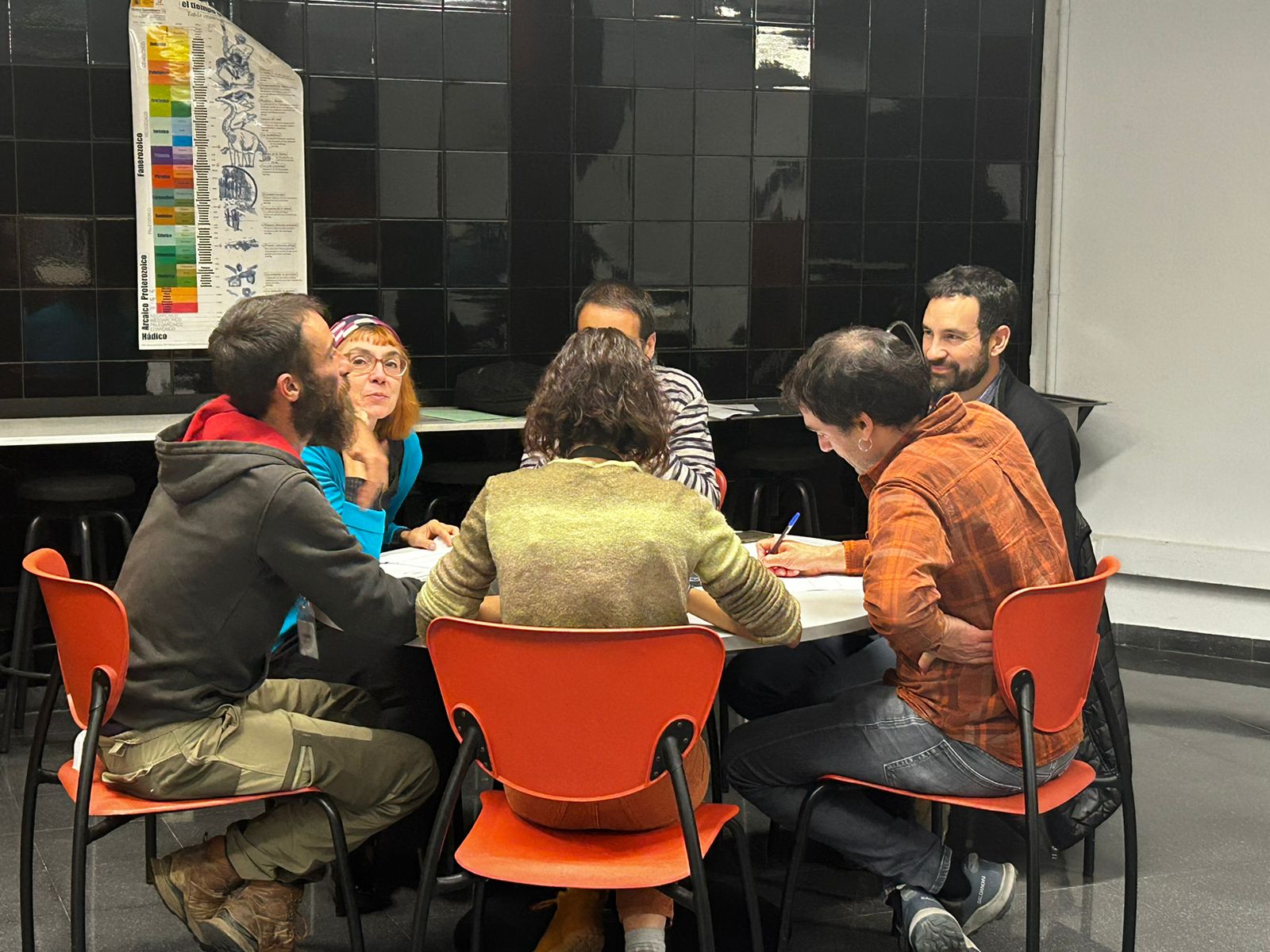
The study, carried out within the framework of the REFORADAPT project and funded by the Fundación Biodiversidad of the Ministry for Ecological Transition and the Demographic Challenge, used the Delphi method, a research methodology based on the structured consultation of experts. The process included two rounds of participation: an online questionnaire and three in-person workshops held in Catalonia, Madrid, and Andalusia.
Participants evaluated several scientific definitions of forest restoration and forest adaptation and analyzed 16 practical cases related to forest management.
The results show agreement on the general principles of forest restoration and adaptation, but there is a wide diversity of opinions when these principles are applied to real-world cases. Disagreements were particularly evident in issues such as passive restoration (for example, allowing forests to regenerate naturally on abandoned agricultural land) or rewilding and renaturalization initiatives.
“Forest restoration has become a global priority and a concept widely used in environmental policies worldwide, but our study shows that restoration does not necessarily mean the same thing to everyone, nor is it translated into practice in the same way on the ground. These differences have highly relevant implications, for example when assessing whether countries are meeting their restoration commitments,” explains Maitane Erdozain, researcher at the Forest Science and Technology Centre of Catalonia, coordinator of the REFORADAPT project, and lead author of the study.
Four Shared Criteria
Despite these differences, experts identified four essential aspects for defining forest restoration: achieving long-term ecological outcomes, recovering ecological processes, providing ecosystem services, and increasing resilience to climate change. Based on these elements, the study proposes seeking consensus through participatory approaches in order to facilitate the consistent implementation of restoration policies.
A Debate with Real-World Consequences
According to the authors, the lack of a shared interpretation is not merely an academic issue. It can directly influence how forest restoration actions are designed, evaluated, and funded.
“The solution is not simply to agree on a definition through highly rigid rules: restoration is a concept that evolves as new challenges emerge (climate change, rural depopulation…), and definitions that are too strict may not fit very different local realities,” says Sergio de Miguel, Professor of Forest Science at the University of Lleida. In fact, the study notes that European restoration policies, conceived in a generic way, often fail to adequately address Mediterranean-specific challenges such as forest fires, recurring droughts, or rural abandonment.
For this reason, the authors argue that a balance must be found: a framework that is clear enough to ensure that “restoration” does not encompass any type of action, including those that provide no ecological benefits, while remaining flexible enough to adapt to local conditions and avoid unintentionally imposing the perspective of certain groups (for example, based on age, gender, or professional sector) over others. For this reason, the authors advocate for planning processes that incorporate multidisciplinary and diverse teams, as well as participation mechanisms that help build broad consensus.
Looking Ahead
The research highlights the need to further explore still-ambiguous concepts such as biodiversity, ecosystem degradation, and ecosystem services, and to broaden the debate to include groups that are currently underrepresented, such as forest landowners and the agricultural sector.
The authors believe that the development of Spain’s future National Restoration Plan represents a unique opportunity to apply participatory processes that combine common criteria with the flexibility needed to adapt to the characteristics of each territory.
Read the study here
Last modified: 24 July 2026