


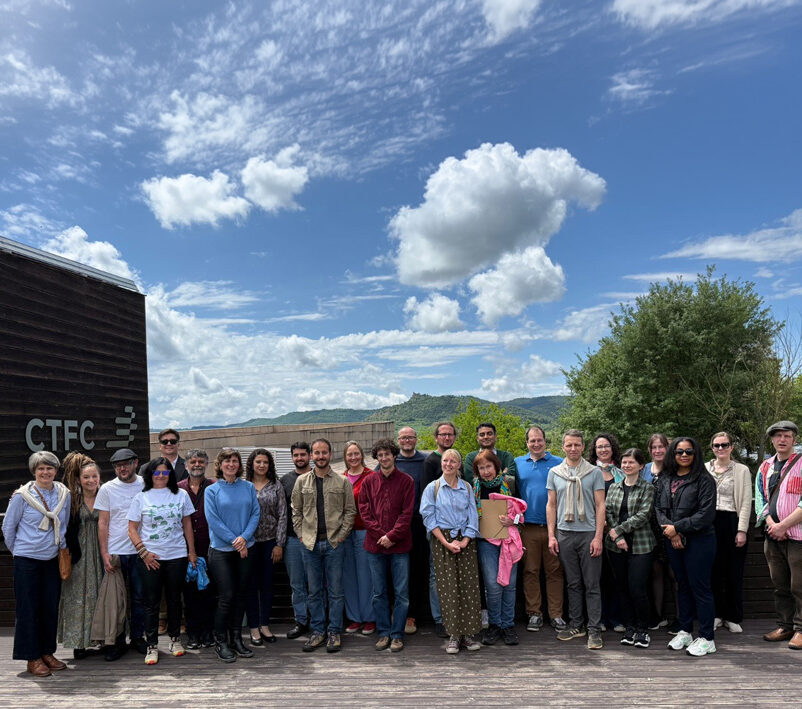
Around twenty participants gathered at CTFC to strengthen collaboration on nature-based solutions (NBS) and coevolutionary learning.
The programme combined strategic reflection, methodological development, and place-based learning, with sessions focused on coevolutionary processes, project progress, and the exchange of experiences across Living Labs.
Last week, the Forest Science and Technology Centre of Catalonia (CTFC) hosted and organised a meeting of the European COEVOLVERS project, an initiative funded by the European Union’s Horizon Europe programme, the EU’s main research and innovation framework programme for the 2021–2027 period. Horizon Europe supports high-impact collaborative projects aimed at addressing Europe’s major social, environmental, and economic challenges, while promoting the transition towards more sustainable, resilient, and inclusive societies.
Within this framework, COEVOLVERS explores how nature-based solutions (NBS) can drive transformative societal change in response to the biodiversity and climate crisis. The project adopts a coevolutionary approach, rethinking NBS not merely as technical interventions, but as dynamic and co-creative processes emerging at the interface between ecological and social systems.
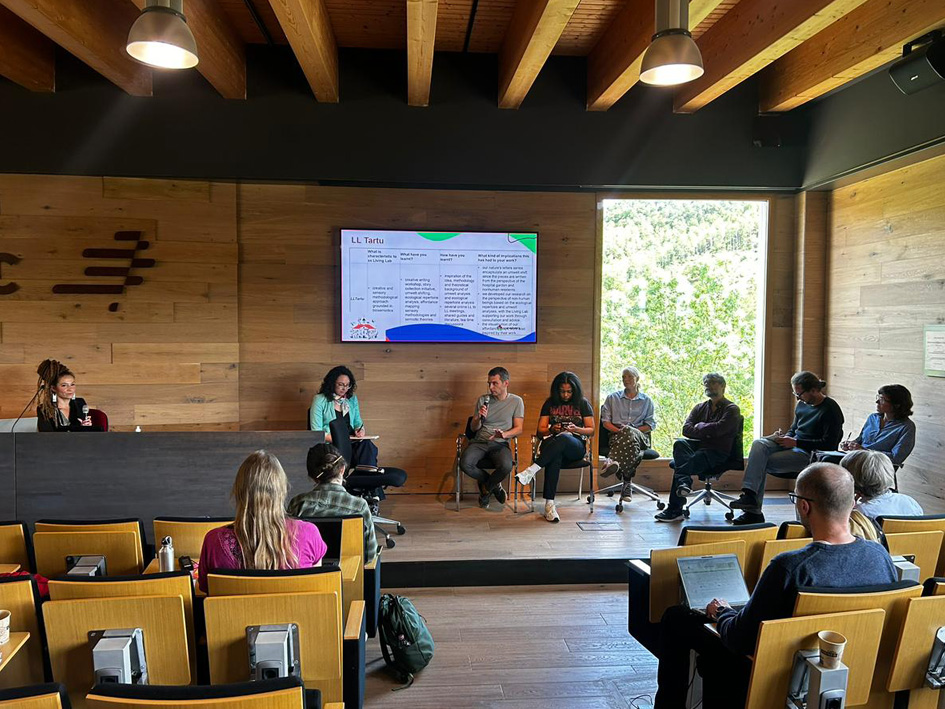
The project places strong emphasis on the co-design of fair and inclusive governance models, ensuring that both human actors (especially vulnerable groups) and non-human actors are actively considered in the design and implementation of solutions. Through participatory and transdisciplinary methods, COEVOLVERS operates across seven Living Labs in eight European countries (Finland, Italy, Slovakia, the United Kingdom, Hungary, Estonia, the Czech Republic, and Spain), where local actors co-create and test context-specific approaches. By integrating knowledge, practice, and policy, the project aims to foster more inclusive and resilient communities and support a just transition towards sustainable futures.
In this context, CTFC leads the “Wildfire Eaters” Living Lab, located in the Barcelona–Baix Llobregat area. The Centre’s team contributes scientific expertise in forestry, land management, and wildfire prevention, while actively collaborating with local actors such as shepherds and municipalities. The team supports the development of innovative approaches, including targeted grazing systems in peri-urban forest areas, which help reduce biomass accumulation and wildfire risk. Through this participation, CTFC bridges research and practice, ensuring that solutions remain both ecologically grounded and socially viable within the broader objectives of the COEVOLVERS project.
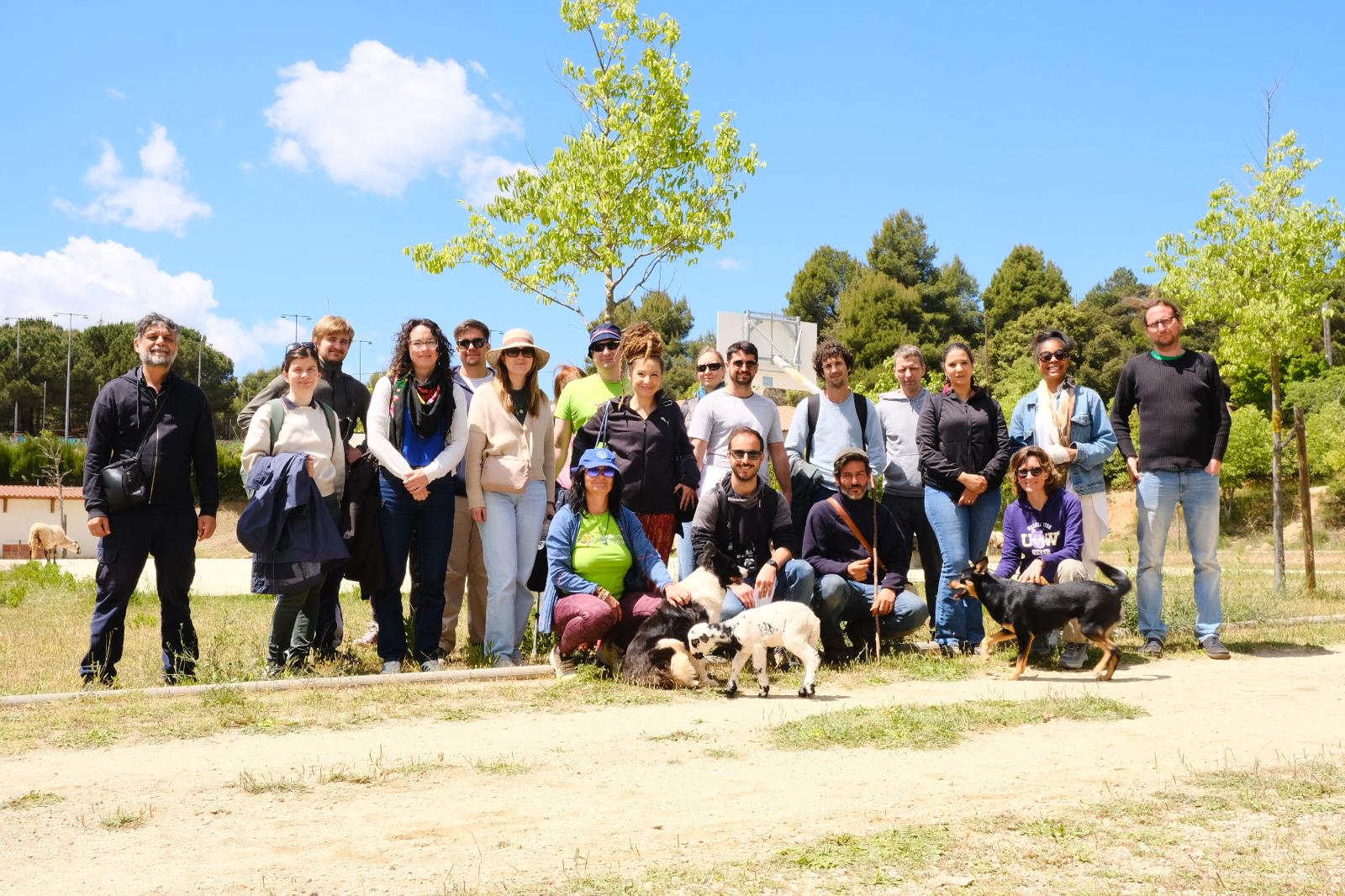
A full-day field visit to El Bruc, in Montserrat Natural Park, provided an opportunity to anchor discussions on NBS within a landscape particularly exposed to wildfire risk. Participants explored a socio-ecological system in which pastoralism plays a key role in reducing fuel loads and enhancing landscape resilience, while governance structures shape prevention and management strategies. Exchanges with a local shepherd highlighted the importance of traditional and adaptive grazing practices in wildfire risk mitigation, complemented by insights from a provincial technician on policy measures supporting rural resilience.
The meeting also fostered synergies with other Horizon Europe projects through a joint session with TRANSLIGHTHOUSE and NATURSCAPES.
Last modified: 13 May 2026